She stopped attending baby showers.
Not because she didn’t love children.
But because every “When are you planning?” felt like a silent verdict.
I remember the day she said it out loud:
“Maybe motherhood isn’t meant for me.”
She was 29.
Healthy. Educated. Married for three years.
And completely unprepared for how lonely infertility could feel.
The Part No One Warns You About
We grow up assuming pregnancy just… happens.
You fall in love.
You get married.
You decide it’s time.
You wait.
You see two pink lines.
That’s the script we’re given.
But for many women especially those with PCOD the script doesn’t follow that timeline.
Months turn into a year.
A year turns into lab tests.
Lab tests turn into confusion.
“Your hormones are irregular.”
“You’re not ovulating properly.”
“It’s PCOD.”
That word lands heavily.
Not life-threatening.
Not dramatic.
But quietly disruptive.
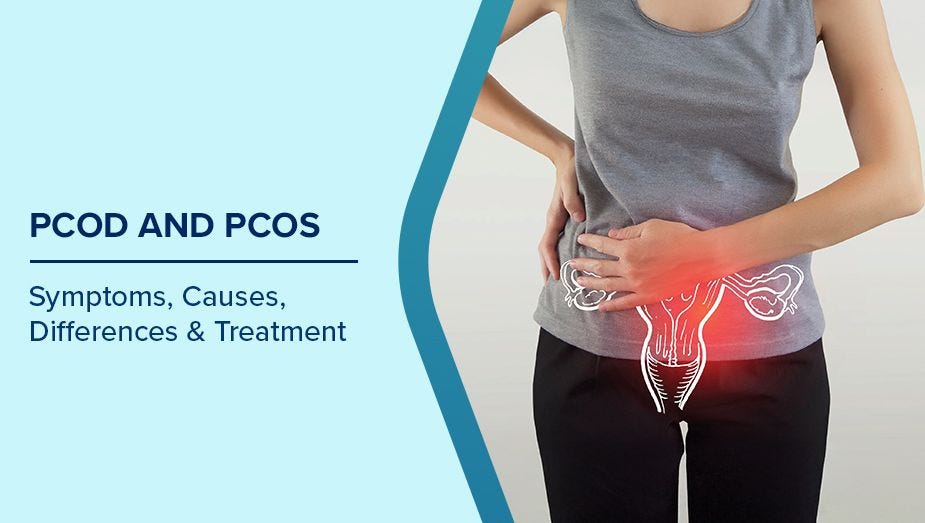
PCOD: The Silent Disruptor
Polycystic Ovarian Disease isn’t just about irregular periods or acne.
It’s about unpredictability.
Ovulation that doesn’t happen on schedule.
Hormones that don’t cooperate.
Cycles that feel like a guessing game.
And the worst part?
Most women blame themselves.
“I should have lost weight earlier.”
“I ignored my irregular cycles.”
“Maybe I waited too long.”
But PCOD is not a moral failure.
It’s a medical condition.
And yet, in smaller cities like Hosur, conversations around infertility still carry stigma.
People whisper.
Families speculate.
Women internalize.
The Turning Point
For her, the turning point wasn’t a treatment.
It was information.
She learned something life-changing:
Infertility is common.
PCOD is manageable.
And IVF is not a “last resort for hopeless cases.”
It’s a scientific tool.
A structured, monitored, advanced reproductive technology that helps where natural cycles struggle.
The fear she had about IVF was based on stories from decades ago outdated success rates, myths about “test-tube babies,” assumptions about extreme procedures.
But medicine evolves.
Quietly.
Steadily.
And often faster than our beliefs.
What Advanced IVF Really Means
When people hear “advanced IVF treatment,” they imagine something cold and clinical.
But advanced doesn’t mean aggressive.
It means precision.
Hormone levels are tracked carefully.
Egg development is monitored closely.
Embryos are cultured in controlled lab environments.
Timing is optimized scientifically.
In places like Lakshmi Hospital, fertility care has evolved beyond generic protocols.
PCOD patients are no longer treated with one-size-fits-all plans.
They’re monitored individually.
Because here’s the truth:
PCOD patients often produce multiple follicles.
That can be a challenge naturally.
But under controlled IVF stimulation, it can become an advantage.
The same condition that caused frustration can, with proper medical guidance, improve egg yield.
That realization changes everything.
The Emotional Side of IVF No One Talks About
IVF is not just injections and procedures.
It’s waiting.
Waiting for follicles to grow.
Waiting for egg retrieval results.
Waiting for embryo development updates.
Waiting for transfer day.
Waiting for the pregnancy test.
Waiting tests your faith more than your body.
And this is where emotional support matters as much as technology.
Couples often walk into fertility treatment thinking it’s a purely medical journey.
It’s not.
It’s psychological.
It forces conversations about partnership, resilience, and expectations.
It challenges ego.
It teaches patience.
The Mistakes Many Couples Make
Looking back, she realized a few things she wished she knew earlier:
- Waiting too long out of fear.
- Believing random internet myths.
- Feeling ashamed to ask questions.
- Assuming IVF equals failure.
Infertility treatment is not a sign that your body failed.
It’s a sign that science exists to help.
And early intervention matters.
The earlier PCOD is managed properly, the better the outcomes tend to be.
The Shift from Shame to Strategy
Something powerful happens when you replace shame with strategy.
Instead of asking, “Why me?”
You start asking, “What’s the plan?”
Instead of hiding reports,
you start understanding them.
Instead of fearing IVF,
you see it as structured reproductive support.
That mental shift reduces anxiety dramatically.
And stress by the way affects hormonal balance too.
Why Awareness in Hosur Matters
In metro cities, fertility discussions are becoming normalized.
But in growing cities like Hosur, many couples still hesitate.
They travel far for consultations.
They delay tests.
They depend on unverified home remedies.
Awareness about expert PCOD and infertility care locally can reduce emotional and financial strain.
Because proximity matters.
Timely care matters.
And informed decision-making matters even more.
The Outcome
I won’t romanticize it.
Not every IVF cycle succeeds the first time.
And that’s okay.
But knowledge transforms the experience.
When her pregnancy test finally showed two lines, it wasn’t just joy.
It was relief.
Relief from self-doubt.
Relief from silent comparison.
Relief from unanswered questions.
But even more than that it was empowerment.
She understood her body better than ever before.
And that knowledge will stay with her long after pregnancy.
What I Want You to Remember
If you’re reading this in secret…
If your Google history is filled with “PCOD infertility” and “IVF success rate in Hosur”…
If you’ve cried quietly after another negative test…
Please hear this:
You are not broken.
Infertility is medical not moral.
PCOD is manageable not permanent defeat.
IVF is support not surrender.
And seeking expert care early is wisdom, not weakness.
Gentle Takeaways
- Track your cycles early.
- Don’t normalize irregular periods for years.
- Get hormone tests if trying for 6-12 months without success.
- Ask questions.
- Choose science over stigma.
- Protect your mental health during treatment.
Most importantly:
Don’t isolate yourself.
Infertility thrives in silence.
Healing begins with conversation.
Motherhood doesn’t always follow the timeline we imagine.
But hope, when combined with modern medicine and the right guidance, is powerful.
If this story resonated with you if it made you feel seen, informed, or slightly less alone please take a moment to clap and follow for more honest, human health stories.
Because awareness spreads quietly.
And someone out there might need to read this next.